Ottobre 4/2023 #3: Infant/Toddler Pajamas

Background

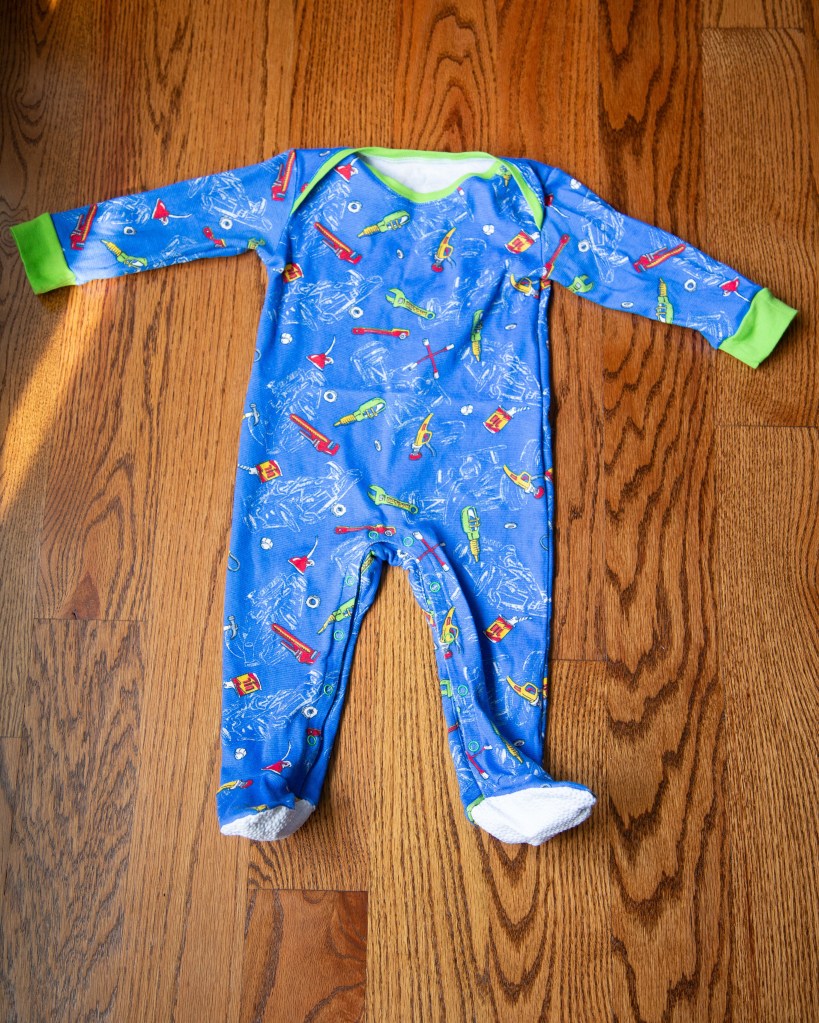
Ottobre 4/2023 #3 is an infant/toddler pajama with a front placket with snap fasteners, raglan sleeves, patch pockets at the hips, and snaps fasteners at the inside leg.
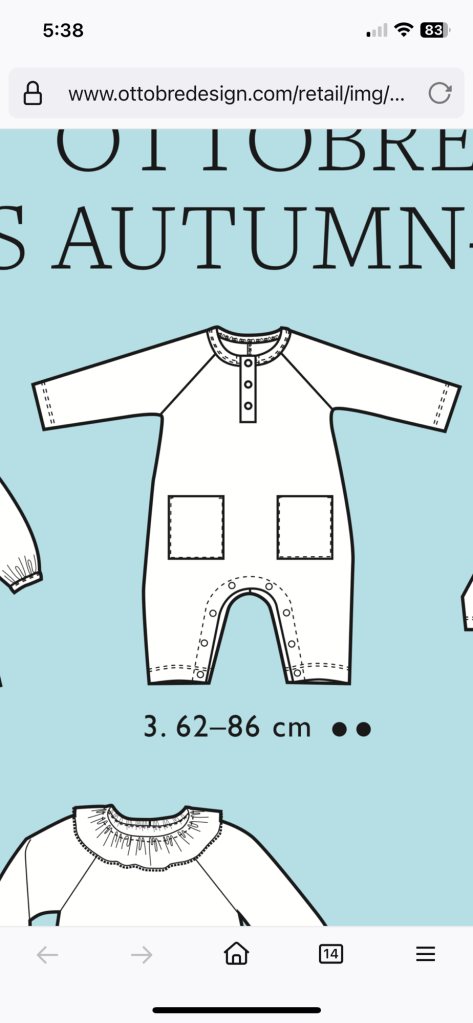
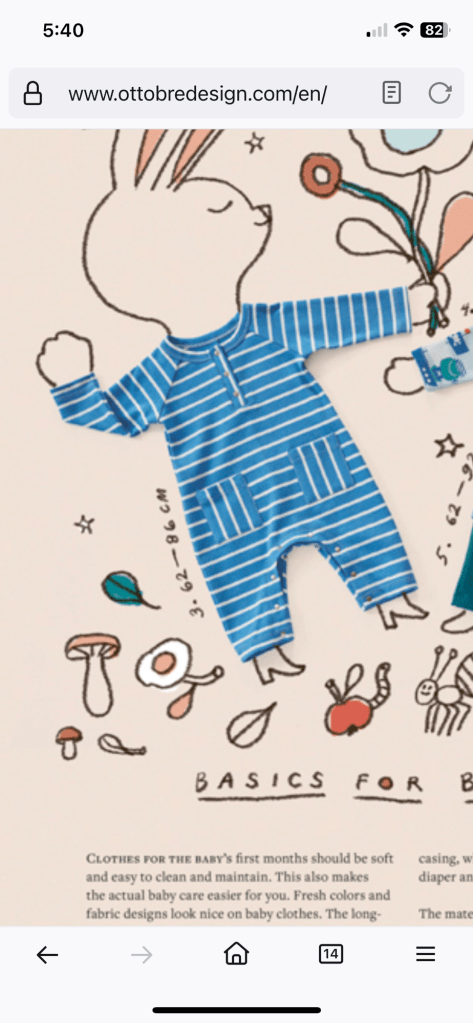
What attracted me to this pattern was that it doesn’t have feet, and he doesn’t need rib knit for the sleeve and leg cuffs. I feel like footie pajamas have a very narrow window of fitting well, either they are too long and their feet get “lost” or they’re too short and squish their toes. For this reason I prefer dressing him in regular leg pajamas with socks.

I also liked the placket at the front neckline. Most of my son’s pajamas have the “envelope” style neck and while it is convenient, I find it tugs down when he plays on the floor and it always requires some fussing in order to get it to lay straight at the shoulders. The other nice thing about a front placket is you can use a scrap of woven fabric for a bit of contrast. It gives it a slightly more formal look than the envelope neckline.

Materials

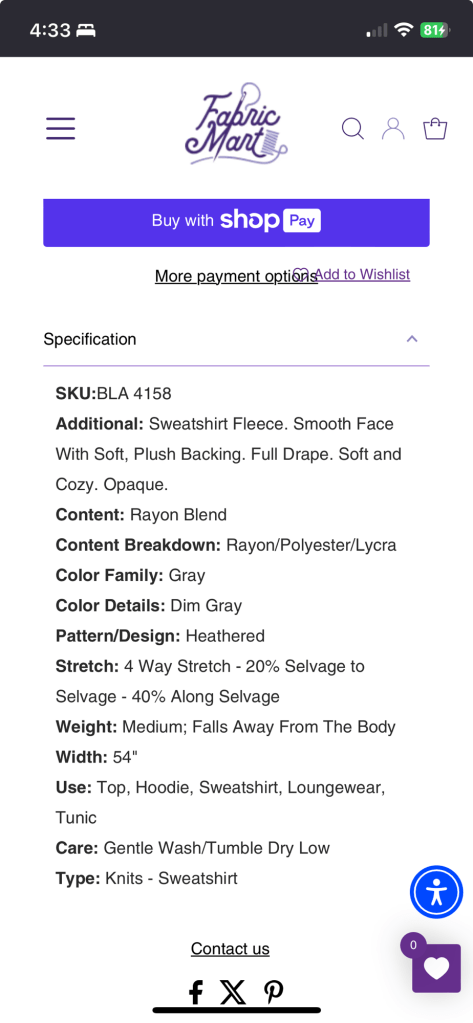
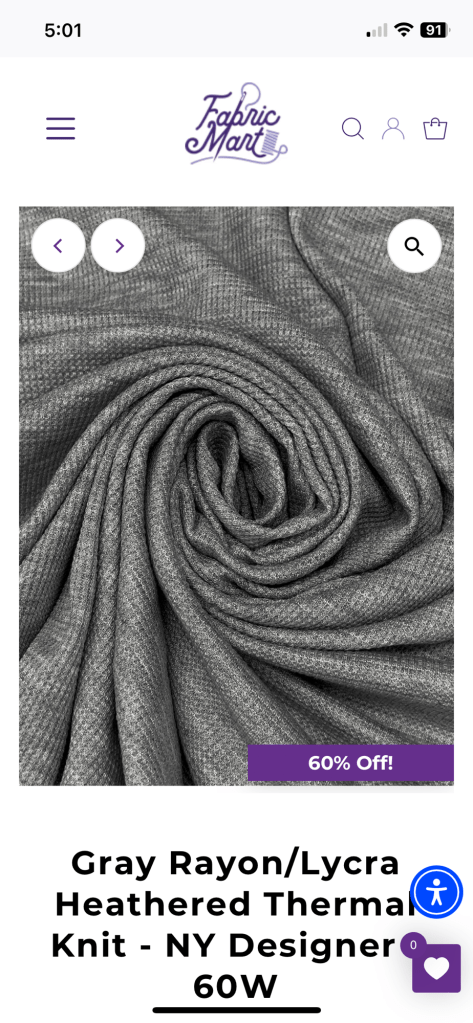
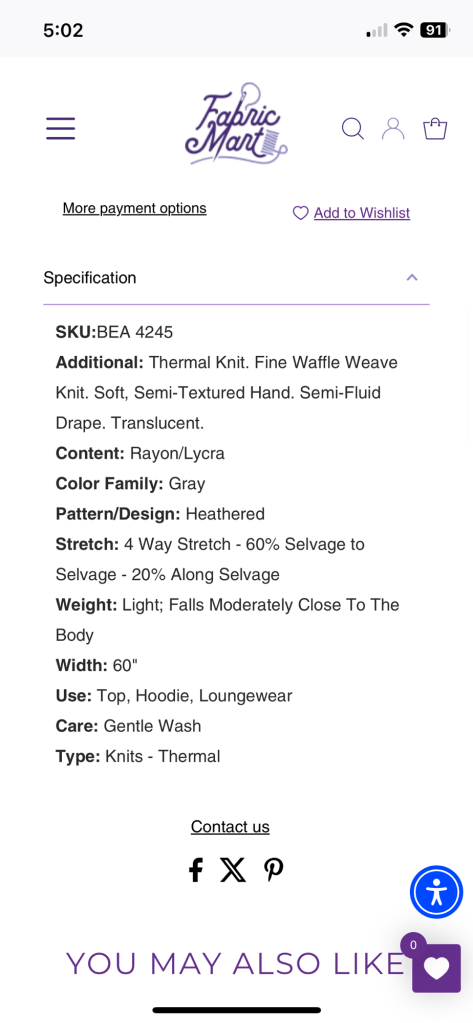
For the main fabric I used a heather gray rayon/lycra thermal knit from Fabric Mart. Due to the rayon content it has a nice drape and slightly silky texture. I did find it was a much lighter color than depicted in the photo though.
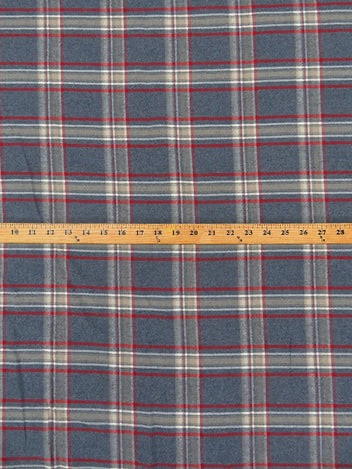
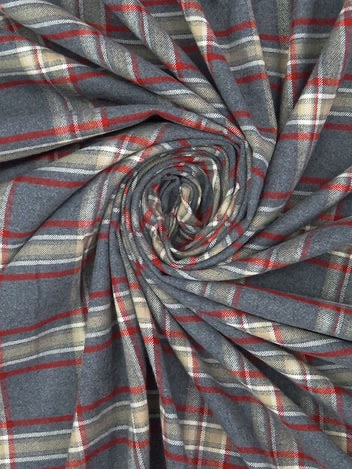
I thought it would be cute to match his dad’s pajama pants, so I used a bit of cotton flannel for the neck placket.
You’ll need a total of 11 snaps to complete this garment. I didn’t have quite enough red snaps in one size so I mixed and matched a bit. For the front neck placket snaps I used red size 16 open snaps purchased years ago from the now defunct Snap Source. For the inside legs I used size 15 red Snap Source open snaps. While I dislike the Snap Source setting tool (I find it cumbersome and prone to shifting when layering the various pieces) I love how sturdy the snaps themselves are. I’ve bought some other size 15 and 16 snaps on Amazon and they just don’t have the same robust feeling.

I interfaced the front placket, front inside leg facing, and back leg snap band with Pro-Sheer Elegance from Fashion Sewing Supply (possibly defunct as well by now). I didn’t interface the front neck placket because the flannel was sturdy enough to stand on its own.

Size and Fit

I cut a size 80 for my son. He’s currently about 30” long and weighs a little over 23 pounds. I found this overall a bit big (it is meant for a child about 1.5″ taller than my son) but I also want to get as much use out of it as possible! The longer length doesn’t seem to bother him one bit.

I found the fit in the body was a bit loose but not overly so. I much prefer this more relaxed fit to the skintight American 9+ month cotton pajamas, which is the biggest reason why I’m sewing instead of buying them. My son has a rather wiry build and even on him some of those pajamas are like sausage casings. I’m not sure what people with chunkier babies do. I guess you can buy looser fitting ones but they seem to be available only in synthetic fibers.

Construction

The instructions were the usual minimal, text only Ottobre instructions.

I skipped the pockets. They didn’t seem necessary since I wasn’t using a plaid or stripe print fabric.

I found a really helpful guide for making the front neck placket on the Ottobre Lab section of their website. I’m not sure why but my placket piece was about 3/8” too short. Fortunately it was easy enough to recut from a scrap with another 3/8” added to the length.

Ottobre marks the placement of the neck placket snaps, but not the snaps at the inside leg. The only guidance is to place the middle two snaps each 2-3cm from the center front. I ended up placing the middle of the first snap at the leg hem about 1/2” from the bottom, and the next two snaps about 2 7/8” apart. This is less snaps and further apart than his RTW pajamas. I have mixed feelings about this, in some ways I actually prefer this as it still stays together and it’s less to deal with when he’s wiggling and fighting me diaper changes. But they do seem pretty far apart. I think 10 snaps would have made more sense for size 80. The Snap Source snaps come in packets of 10 and I had accidentally botched a couple of snaps during setting so even if I wanted to do 10 snaps I was limited to just 8. (A not inconsiderable amount of the time spent on constructing this garment was dedicated to setting snaps.).

Rather than try to sew tiny sleeve and leg hems in the round, Ottobre has you sew the hem, sew the seam, then use a straight stitch or bartack to secure the seam allowance at the hem edge. I much prefer this method.

Conclusion

I’m definitely making this again. As soon as I put it on him he wanted to nurse and then fell asleep for his nap shortly after – I consider that a sign of approval!

Ottobre 4/2023 #6: Infant/Toddler Coat

Background

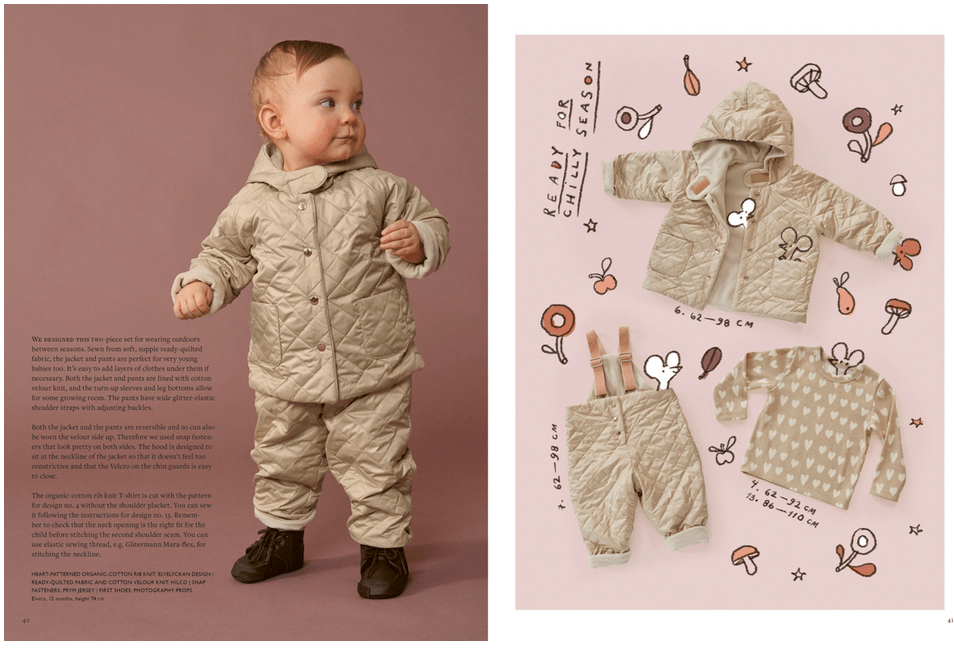
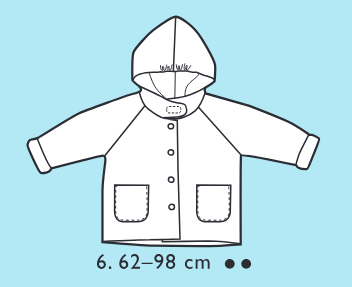
Ottobre 4/2023 #6 is a children’s winter coat pattern for European sizes 62-98 (basically infants through toddlers). It features rounded patch pockets, a hood with darts at the back and elastic at the middle front for additional shaping, and extra long raglan sleeves meant to be cuffed. This jacket is fully lined.

I made a size 80 for my son. I think he’s about 31″ long and 22-23 pounds so at this point (just a guess, he’s really hard to measure now).

Materials

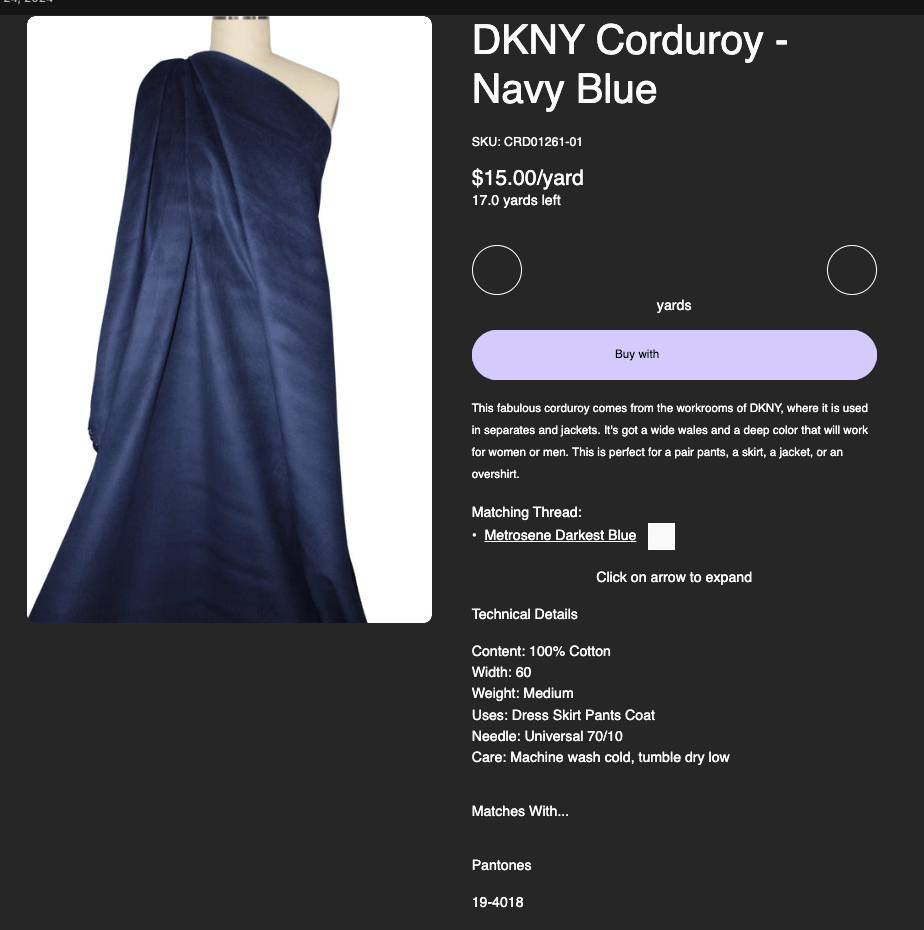
The pattern calls for ready-quilted fabric and fleece lining. I chose instead to use a wide wale deep navy medium weight corduroy from Gorgeous Fabrics.

For the lining I used a soft, sturdy cotton flannel from Fabric Mart (which was left over from my husband’s pajama pants).

Since this is meant to be a winter jacket I wanted more warmth, so I used 3M Thinsulate C150 from Vogue Fabrics for the interlining. I actually bought the Thinsulate a dozen years ago…just getting around to using it!

Instead of velcro for the hood and snaps for the front I chose to use wood buttons. It seemed to fit in more with the rustic corduroy and flannel fabrics.

Construction

The pockets are a single piece which is folded over, sewn, then turned out. This makes it very easy to get a nice rounded edge, plus it provides a self lining.

For the Thinsulate interlining I placed attached it directly to the lining, with the fleecy side facing the wrong side of the lining and the quilted side facing the wrong side of the corduroy. I never worked with Thinsulate before so it was a new experience for me. I didn’t need to baste it to the lining as the flannel provided plenty of “grip.” I did trim it down to 1/8″ seam allowances after sewing a seam. This stuff is pretty fragile with heat, so pressing the seams needed to be done lightly and carefully. (I accidentally melted a section of it.) It does have some loft but is lightweight and easy to sew through. I had no problem making the buttonholes, though I did use a buttonhole stabilizer plate simply due to wanting to eliminate error with the bulky fabric.

Ottobre instructions are quite minimal (basically the same as Burda’s used to be) so you should have some experience with sewing a coat before you attempt this pattern. The nice thing again about baby clothes is since they take so little fabric it isn’t a big deal if you need to recut and start over again! I haven’t sewed a lined jacket/coat in forever so I needed to think a bit about how to bag the lining, but I managed just fine. There’s no front facing so that makes things simpler.

Green Bean Baby Set

Photos

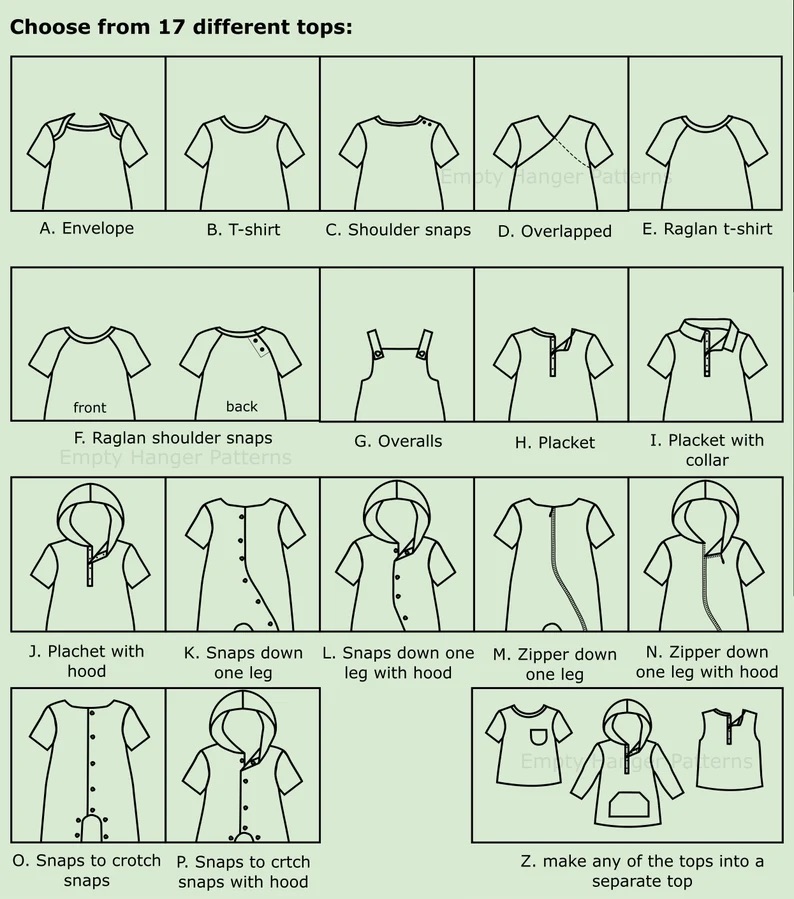
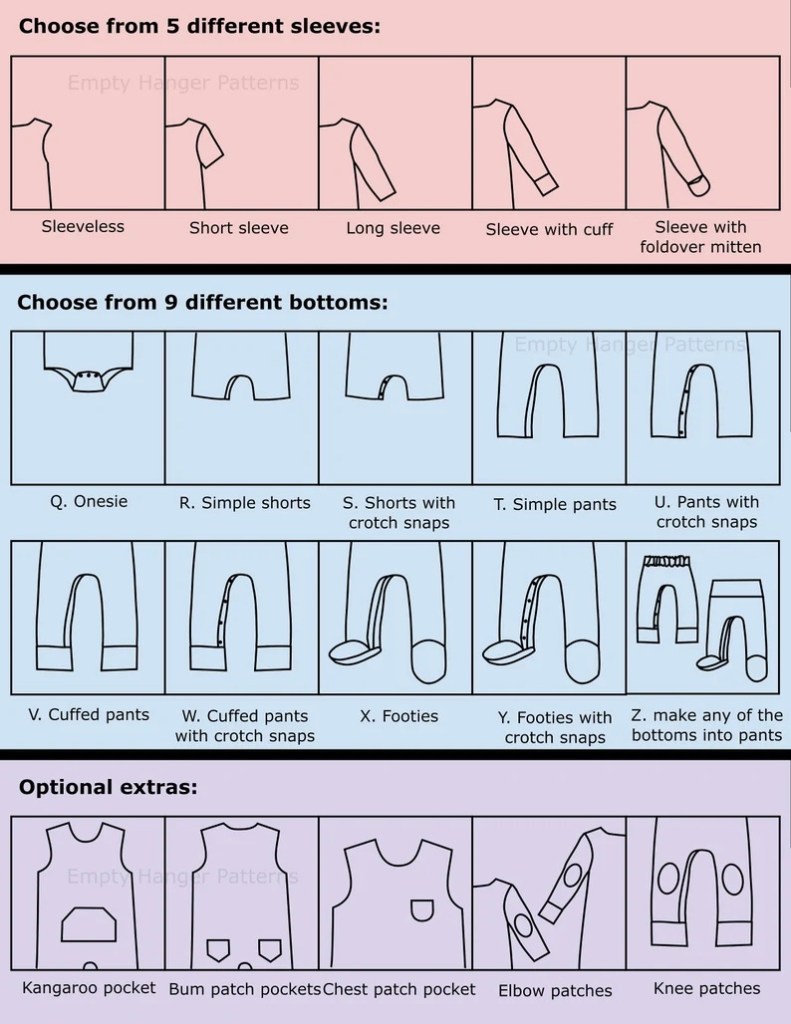
The pajamas, which are the A envelope style top with long sleeves and the snap footie Y bottom.

A top, Y bottom

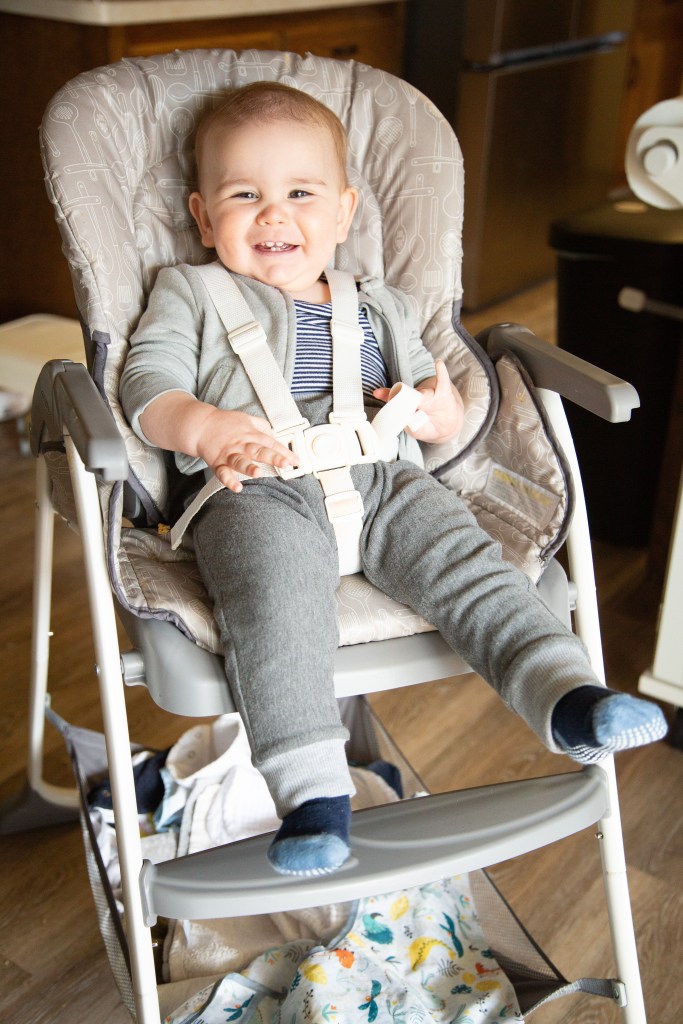
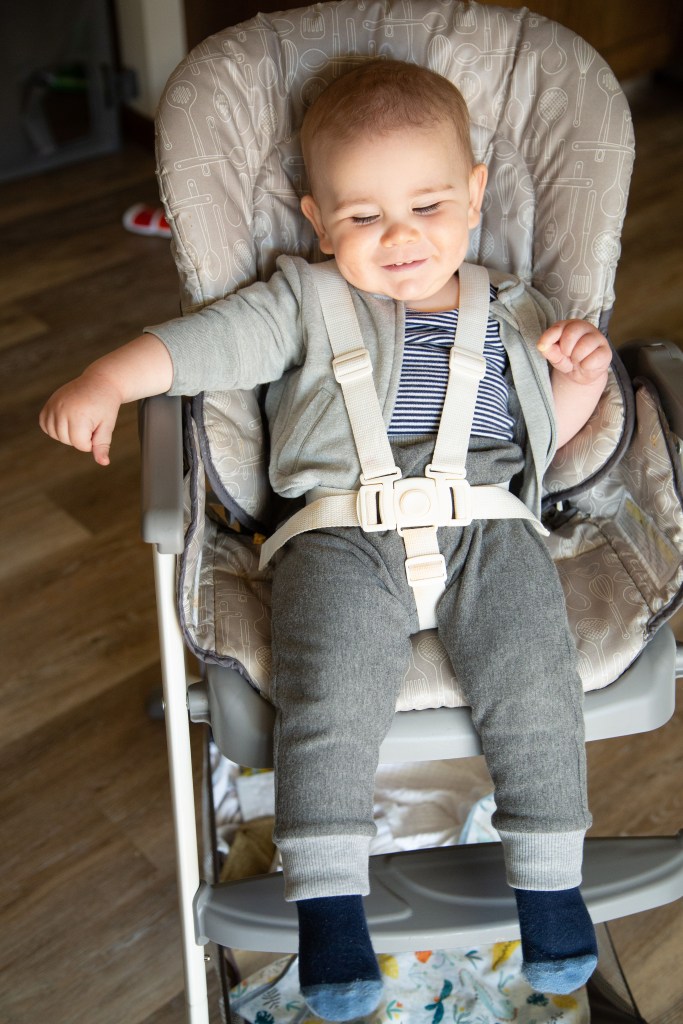
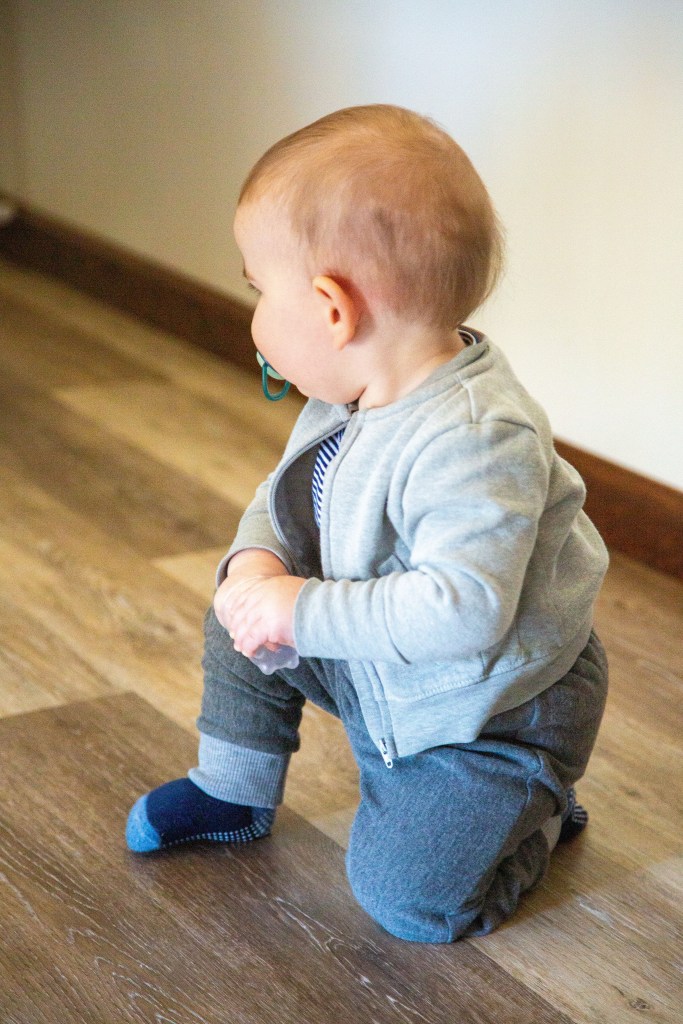
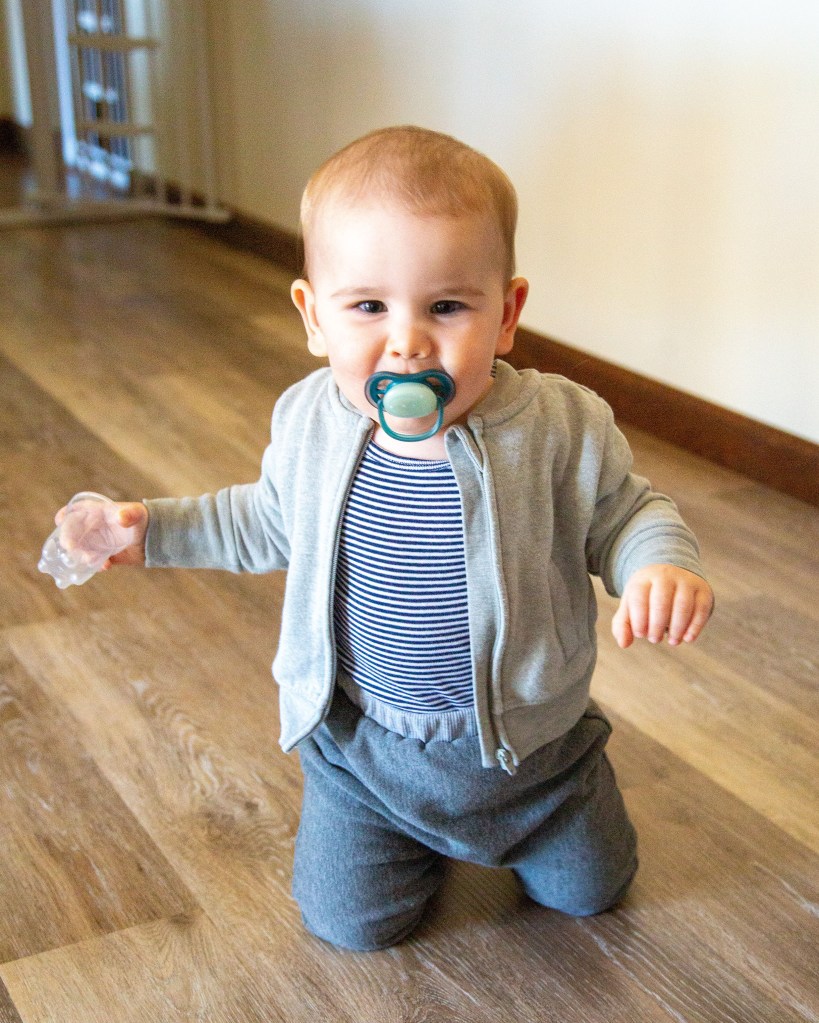
I’ve done my best to get photos of the pants, which are view V…it is not easy with someone who is trying to grab my camera and always moving…hence resorting to a post-lunch photo in the highchair.

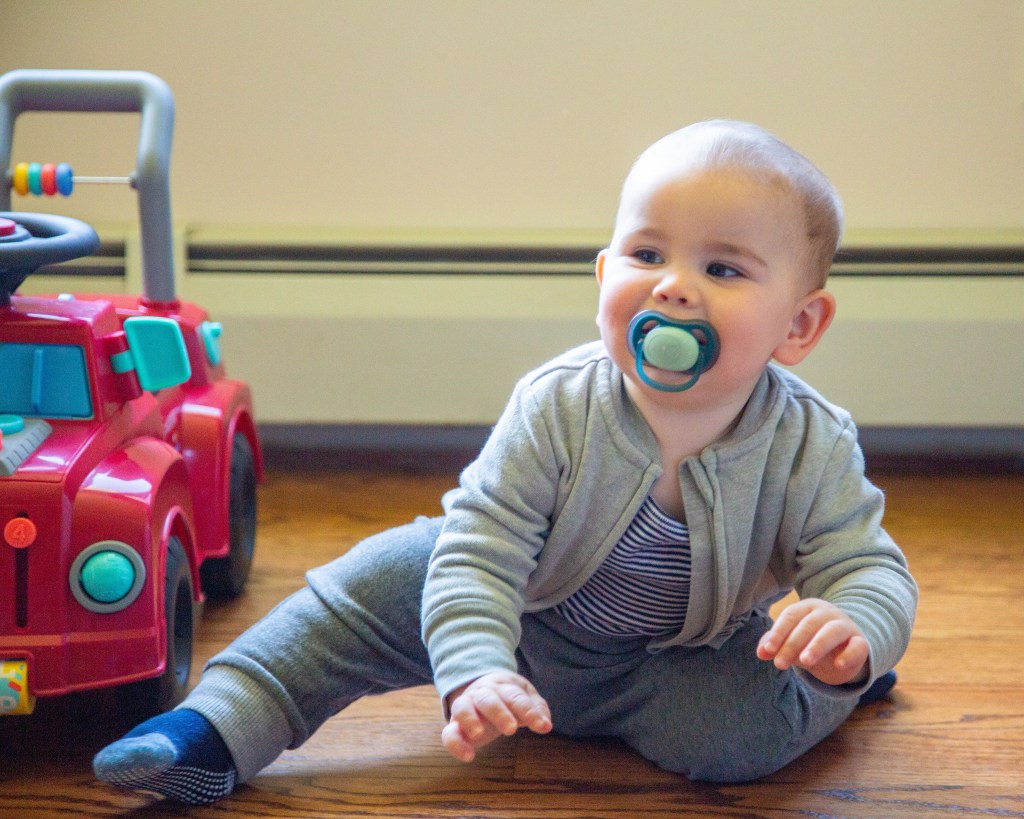
Some action shots:

Pattern Background

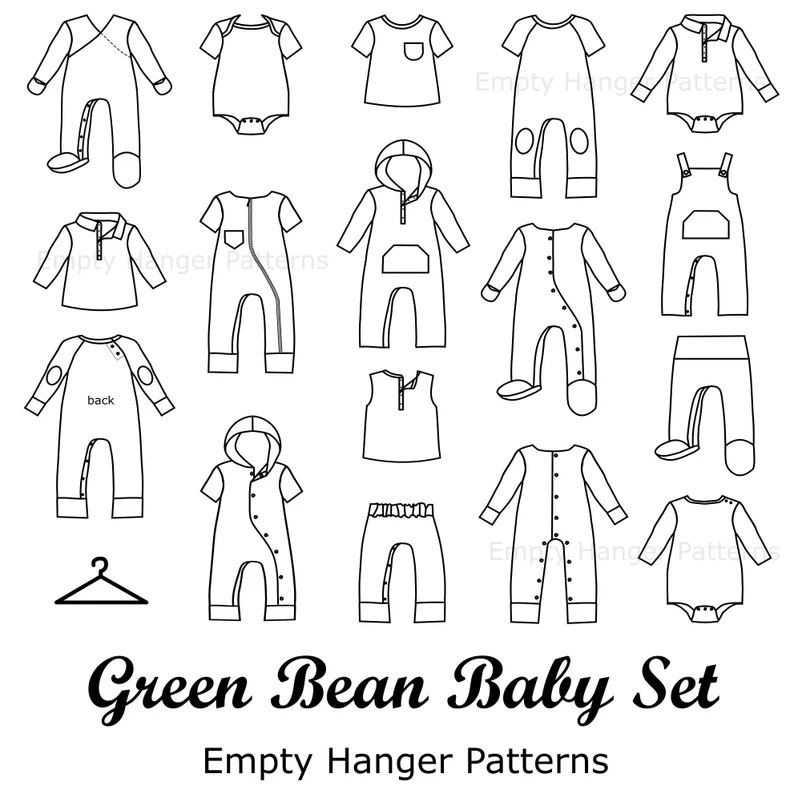
The Green Bean Baby Set by Empty Hanger Patterns is sold on Etsy. It is a PDF sewing pattern that includes a basic onesie with cutting lines and instructions for all sorts of variations. Rather than nesting the sizes like most pattern companies, they have you print by size and nest the basic variations. Extra pattern pieces for things like cuffs, a hood, etc are printed off as necessary. Make sure you read the instructions as all the information you need on which pages to print is found there.

The pattern is marketed as the only baby clothes pattern you will ever need, and I feel that’s pretty accurate! It includes European sizes 50-98 (20”-38.5”) which roughly covers newborn through toddlerhood. I would say that at less than $10 this is by far the most cost effective pattern out there. It does cover your needs for basic knit fabric baby items, but if you want to do anything with wovens you will have to look elsewhere.

Size

This was tricky!

My son is 14 months now and on the smaller side. He has a sturdy but wiry build and wears mostly wears Carters RTW baby clothing (which I believe tends to be slimmer cut). Right now he wears 12 months, but while it fits in the width it is getting too short in the length. I mostly use knit pants on him because he wears cloth diapers and woven baby pants ten to be cut for much slimmer disposable diapers.

Per the pattern he was right between size 74 and 80. Since it’s always better to go bigger rather than smaller I chose size 80 for the first round. I made him footie pajamas with snaps at the legs. It was HUGE on him. Have to set it aside for later!

For the next round I decided to print off size 74. I compared the pattern to some current clothing he has and it seemed to be a much better fit for now.

Materials

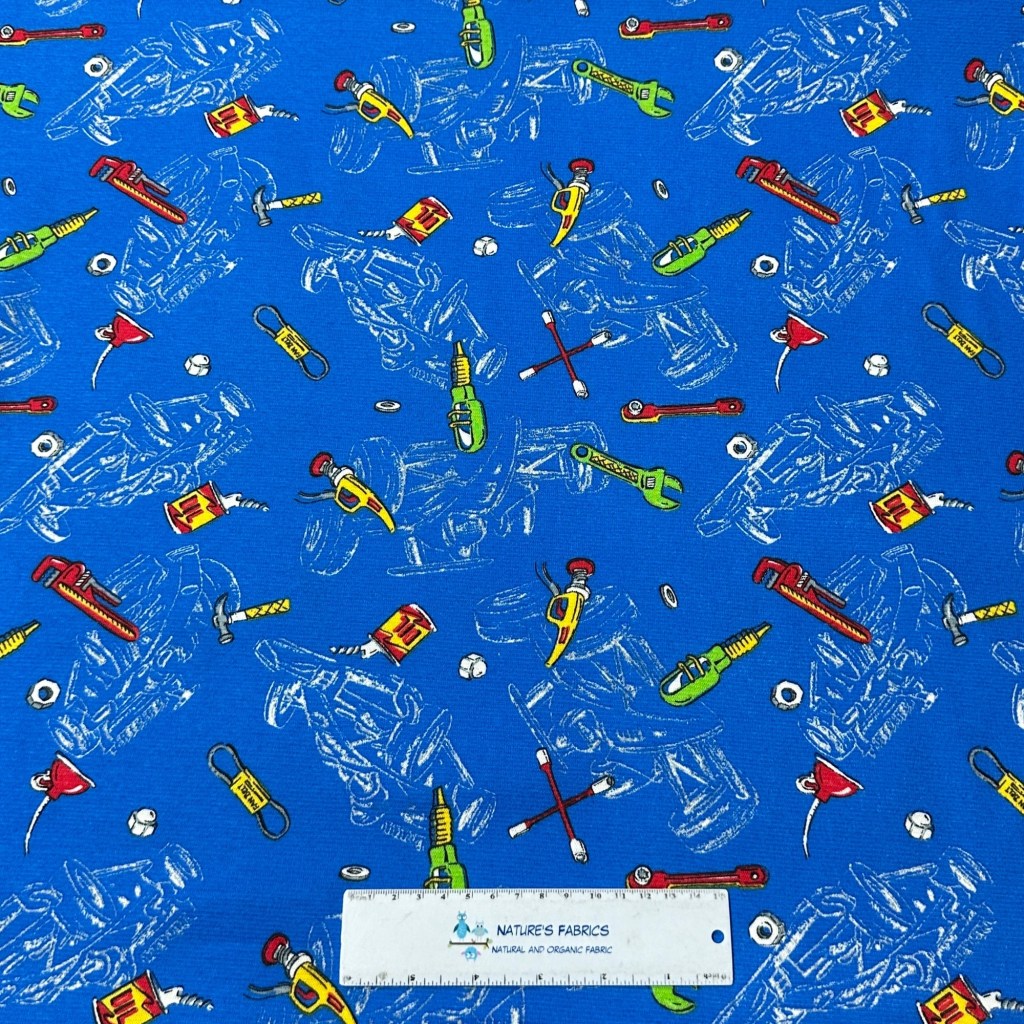
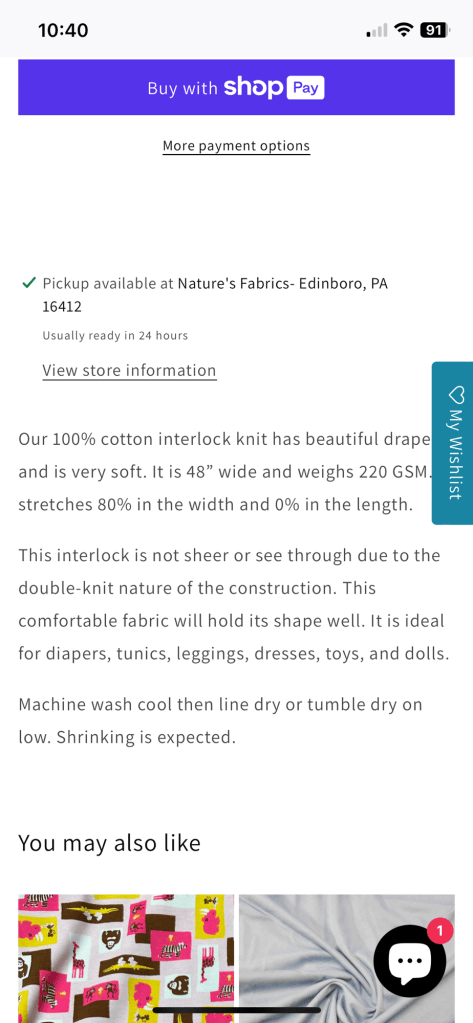
For the pajamas I used a cotton interlock, with a cotton baby rib knit for the contrast (cuffs, neck, and one of the snap closure facings since I was short on the main fabric). Both were from Nature’s Fabrics.

I interfaced the leg band with Pro-Sheer Elegance from Fashion Sewing Supply. (Unfortunately she’s hit a difficult time in her personal life and my order placed over a month ago never shipped. It seems up in the air as to whether she’s going to continue the business or not.) I used these snaps from Amazon. They seemed to work ok, though I would have preferred to use the ones from Snap Source (another great sewing notion provider that’s no longer in business).

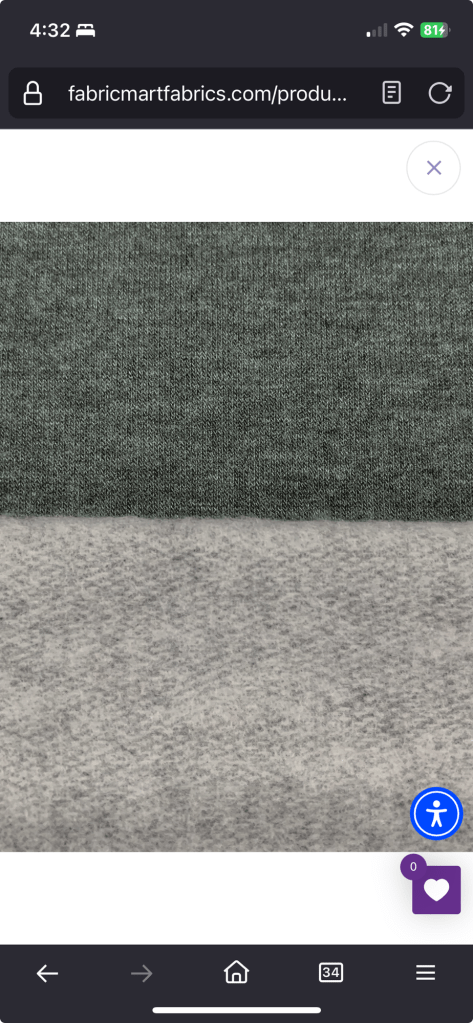
For the pants I used a recently purchased rayon/polyester sweatshirt fleece from Fabric Mart for the main fabric, and a cotton rib knit for the waistband and cuffs. I believe the rib knit is from Fabric Mart as well, but I purchased it so long ago I don’t really know! The rayon/poly sweatshirt fleece is SO soft and cozy and washed really well, so I ended up buying a bunch more for various future projects. It is hard to find inexpensive winter pants for babies, especially if they aren’t 100% polyester fleece.

The stretch was similar to stretch bengaline in that the stretch was greater lengthwise vs width, so I cut it with the grain perpendicular rather than parallel to the selvage.

Alterations

I didn’t make any alterations to the size 80 pajamas as I wanted to get a better sense of the fit before doing anything. As I mentioned before they ended up way too big.

For my size 74 pants, the sizing was much better. I will say that they were comparable to the 18 month Carters pants in length even though technically size 74 is closer to 12 months rather than 18 months. I did find the rise was too low, and lengthened it 1”. I also found the waistband was IMO way too wide for baby clothing – they assume the elastic width will be about 2”. I don’t have a lot of experience with baby clothing, but this seems so wide on such a tiny body. 1” wide elastic seems way more common. So I ended up removing 1” from the waistband and adding another 1” back to the rise. By the time I was done the rise for the pants pattern pieces was 2” higher than what the pattern was originally drafted for. I also added another 3/8” of height at the center back as I found that with the cloth diapers the back waistband of pants tends to dip downward on my son.

I had a really hard time measuring my son with any sort of accuracy (he wiggles SO MUCH now and tends to wake up if I try to measure him while he sleeps) but this pattern seems a bit longer in the legs than the RTW I’ve used. I will say that in my son’s case the cloth diaper throws off fit as the bulk tends to take up a lot of the rise in pants/pajamas. However when I was comparing pattern pieces it seemed like the leg length for size 74 was comparable to the length of the 18 months Carter pants, not the 12 months.

One issue I’ve consistently had with RTW baby clothes is in addition to the rise being too short, the waist is too big. While the pants mostly fit everywhere else. So the pants tend to sag and get pulled down while crawling. By making my own I could snug in the elastic, and patch in another piece if it is too small in the future.

Construction

This sewing pattern includes 3/8” seam allowances. IMO it doesn’t make sense for knits as a lot of us are going to be sewing this on a serger. With the pajamas I had already cut them out before I noticed the 3/8” seam allowances, so spent a lot of time trimming (and probably losing some accuracy along the way). For the pants I trimmed the allowances down to 1/4” before cutting, and it was overall a much quicker and pleasant sewing experience.

The instructions are great! There’s illustrations for every step, and even my severely sleep deprived brain could follow along effortlessly. (He has yet to sleep through the night. The entire first year was spent waking up every 2-3 hours. Best we ever got was a single six hour stretch.) I did find it a bit confusing at first when it came to pattern assembly as I’m used to sizes rather than the style variations being nested, but after thinking about it it finally clicked for me. One thing I really enjoyed was there was no trimming or overlapping, you just butt the paper edges together and tape.

Since the pants are cut from the sleeper/pj pattern block they don’t have a front or back crotch curve seam. Instead there’s a gusset at the back crotch seam to give more room and shape.

Conclusion

I would 100% recommend this pattern for basic baby clothes. I prefer Ottobre for wovens and more unique styles, but for your basic baby and toddler wardrobe this pattern works great. Once you figure out the alterations your baby needs you have a solid pattern block to work with as they grow. The instructions are easy to follow and the fact that it offers so many styles and sizes for less than $10 makes it an affordable choice as well.